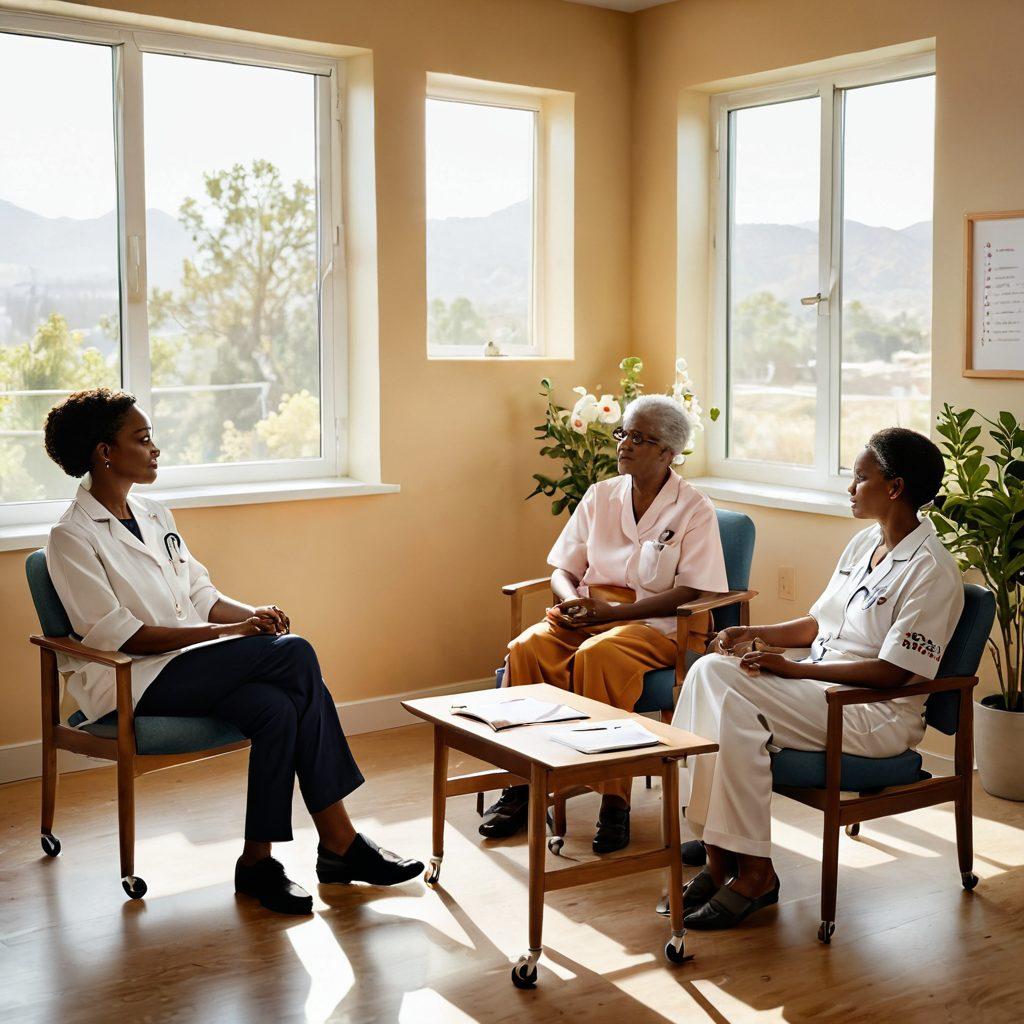
Navigating the Tumor Terrain: A Holistic Approach to Cancer Care and Survivorship
In the midst of a cancer journey, patients often find themselves navigating a complex network of challenges. The diagnosis of a malignant tumor can induce feelings of uncertainty, fear, and loneliness. But, as they say, every dark cloud has a silver lining. If you or someone you know is grappling with cancer, it's essential to recognize that enhanced cancer care involves not just medical interventions, but also a holistic approach encompassing emotional, psychological, and social support. Exploring comprehensive strategies for cancer care can lead to better survivorship and a more fulfilling life beyond diagnosis.
When discussing oncology, it's easy to become overwhelmed by the terminology—chemotherapy, radiation therapy, immunotherapy. These treatments, while crucial, often overshadow the importance of understanding one's own body and the symptoms that accompany the disease. How many of us spend time truly learning about our health? Self-care and health education are vital aspects of proactive cancer management. Knowledge about risk factors and the benefits of early detection can empower patients, encouraging them to become advocates for their own health. Imagine standing at the crossroads of treatment decisions, completely informed and ready to make choices that resonate with your values!
Community and connection can significantly impact a cancer patient’s journey. Support groups provide individuals with a platform to share their stories, struggles, and triumphs. They remind us that we are not alone in this fight. Palliative care plays a crucial role here, focusing not just on treatment for the malignancy but also on enhancing quality of life. Have you heard the quote, ‘You don't have to feel like a victim of your circumstances. You can choose how you rise up’? Channeling this mindset helps cancer warriors transform their experiences, learning to utilize available resources such as psychological support and lifestyle changes for overall betterment.
Engaging in clinical trials can also be an avenue for hope, often leading to groundbreaking therapies and treatments that might not otherwise be available. As research continues to advance in cancer care, the possibilities for personalized treatment are expanding, allowing for approaches that cater to individual needs. This journey isn’t just about fighting the tumor; it’s about redefining what survivorship means. What if by participating in clinical trials, you could contribute to discoveries that lead to more effective therapies for future patients?
Ultimately, the fight against cancer is unique for each individual, shaped by personal experiences, beliefs, and support systems. Embracing a holistic health philosophy means acknowledging the physical, emotional, and spiritual dimensions of care. It is about creating a toolbox of strategies that incorporate medical treatments such as chemotherapy and radiation therapy, paired with emotional well-being tactics involving self-care and community support. This comprehensive approach not only combats the malignant tumor but also nurtures the spirit of the survivor—a testament that hope and resilience continue to thrive even in the darkest times.
Empowering Survivors: From Early Detection to Holistic Health
In the labyrinth of oncology, traversing the tumor terrain can be daunting. Every survivor has their own story etched with malignant challenges and transformative victories. As we shed light on the journey from early detection to holistic health, we must ask: what does it truly mean to empower survivors? Is it merely about surviving the symptoms or thriving through informed care? Understanding the power of knowledge, patient advocacy, and self-care can make all the difference on the path to recovery.
Early detection serves as the linchpin in the battle against cancer. Imagine catching a tumor at its infancy rather than at a more advanced stage where chemotherapy or radiation therapy becomes your only allies. Regular screenings and health education are crucial risk factors in ensuring early detection. Diagnosing cancer at an early stage not only improves survival rates but can also lessen the intense treatment regimens that often accompany later-stage cancer. So, why wait? Thinking of your health as both a priority and a proactive initiative can change the narrative from one of fear to one of hope, support, and empowerment.
As we embark on the healing journey, embracing holistic health practices becomes paramount. This uniquely tailored approach goes beyond merely addressing physical symptoms through traditional treatments like chemotherapy or radiation therapy. Holistic health emphasizes the mind-body connection, integrating lifestyle changes, emotional well-being, and supportive therapies. Numerous studies highlight the benefits of palliative care, which can help manage pain and alleviate distressing symptoms, offering survivors a more comprehensive pathway to wellness. Who knew that something as simple as meditation or participating in support groups could profoundly impact your journey?
Clinical trials have become a beacon of hope for many oncology patients, representing a mosaic of possibilities in the world of cancer treatment. The journey through cancer has taught us about the powerful breakthroughs in immunotherapy, potentially revolutionizing how we approach malignancies. Participating in clinical trials can be empowering as it not only offers access to cutting-edge treatments but also emphasizes active involvement in one’s own care. Yet, awareness is essential—how many of us are truly informed about these options? By fostering discussions and sharing experiences, together we can inspire others to explore the potpourri of treatment avenues available to them.
Finally, let's talk about the invisible forces that can either uplift or cull a survivor's spirit. You see, survivorship goes beyond the absence of disease; it signifies a renewed sense of purpose. By engaging in self-care and finding your community through support groups, survivors can reclaim their narratives. Motivational quotes like, “You don’t just survive; you thrive,” encapsulate this mindset. So, let's make a pact—to prioritize advocacy for ourselves and others, to share our stories, and to remember that while cancer might change our direction, it doesn’t dictate our destination. Empowerment comes from knowledge, unity, and, most importantly, the indomitable spirit of resilience that each of us carries within.
Navigating Treatment Options: Palliative Care and Patient Advocacy in Oncology
Navigating the labyrinth of cancer treatment options is no easy feat. Imagine stepping into a complex maze where each turn represents another choice: chemotherapy, radiation therapy, immunotherapy, or perhaps clinical trials. As daunting as it may seem, the journey through oncology can be significantly eased when one understands the lay of the land. So, what does it mean to truly advocate for yourself or a loved one in the face of a malignant tumor? How can palliative care slip in to make a massive difference?
To start, let's unravel the intricacies surrounding palliative care. Often misunderstood, palliative care is not just an end-of-life solution; rather, it's a supportive approach to improving the quality of life for patients battling serious illnesses. Picture a time in your life when a storm from the outside threatened your peace. What would you need most in that moment? Many would answer support - and that's exactly what palliative care aims to provide. It assists in managing symptoms, breaks down barriers to understanding, and fosters communication between patients and healthcare providers, helping you navigate the tumultuous waters of treatment options.
When diving into treatment options, patient advocacy becomes paramount. After all, who understands your body and your path better than you? Engage with healthcare professionals, educate yourself on various therapies like chemotherapy, and ask questions that resonate deeply with your personal values. Effective patient advocacy isn't just about seeking out care; it's about finding the voice to express your needs and desires in your treatment journey. Are you ready to reclaim that power? One patient’s story reveals just how life-changing it can be. John, a survivor who started as a passive participant in his care, discovered a profound shift when he began to communicate openly with his oncology team. It transformed not only his treatment but also his entire outlook on survivorship.
Equally vital in this journey is embracing a holistic approach to health. The intersection of lifestyle changes and healthcare creates an empowering blend for those affected by tumors. Think about the support groups you could join and how they might offer positive insights and changes to your daily routine. Nutrition, exercise, self-care, and mental well-being all intertwine in a beautifully complex dance to bolster one’s ability to cope. What lifestyle changes could you incorporate to build resilience? The answers may surprise you and can significantly help counteract the body’s physical toll inflicted by treatments like radiation therapy or the side effects of chemotherapy.
Finally, early detection and screening can drastically alter outcomes in oncology. It’s true that understanding risk factors and recognizing troubling symptoms can be life-saving. But self-care is equally important. Empower yourself with health education and become your own advocate. Whether it's through balanced meals or engaging in mindfulness practices, you're paving the path to survivorship. After all, cancer is just another chapter in your story—how will you choose to add to it? In this intricate journey, remember: you are not alone, and the power of informed choices paves the way to hope and healing.